
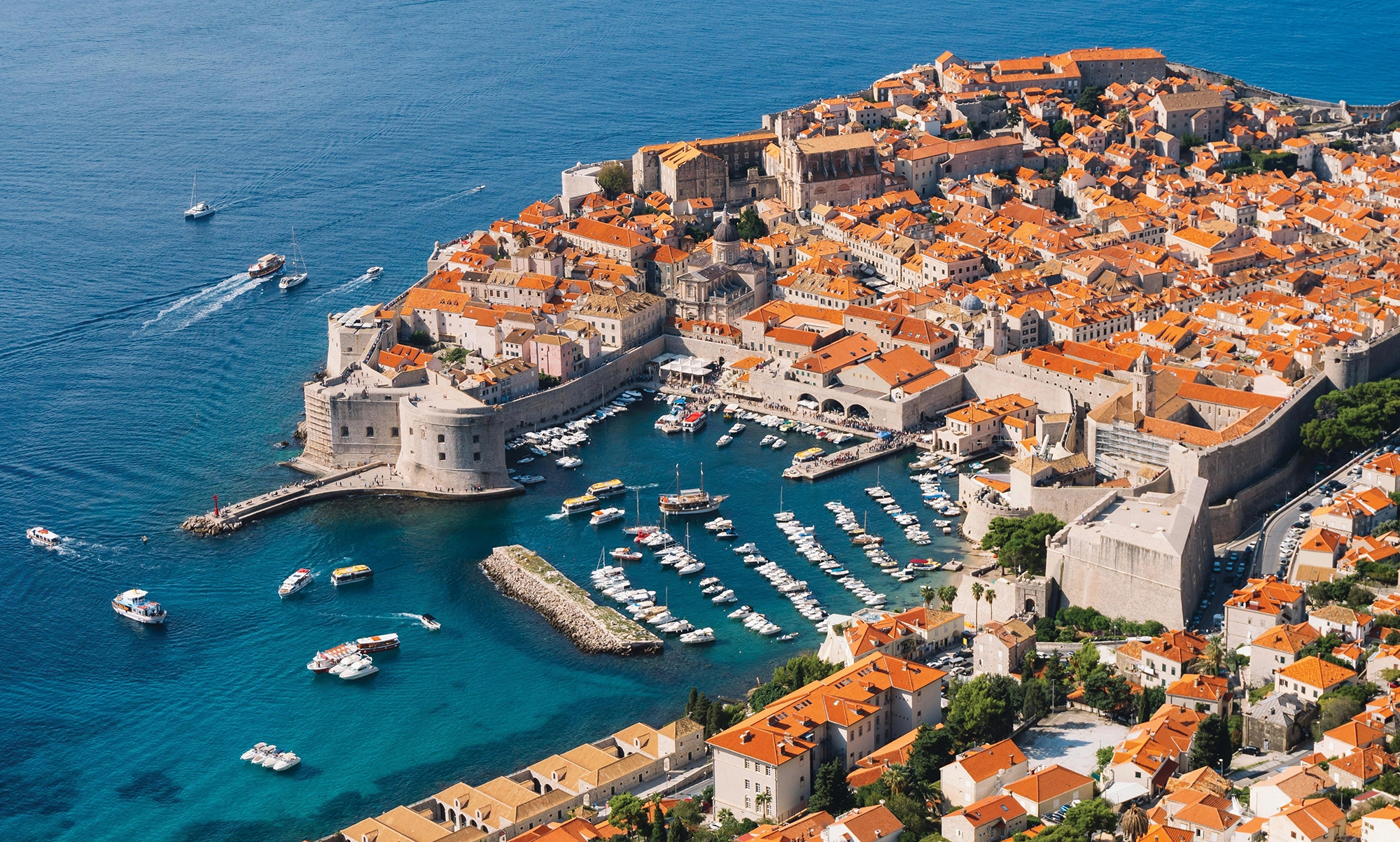
Perched atop ancient limestone formations overlooking the Adriatic Sea in Croatia, Dubrovnik is one of the most dramatically preserved medieval cities in Europe, seducing travelers for centuries with its iconic vistas, turquoise waters, picturesque beaches and endless opportunities for exploration.
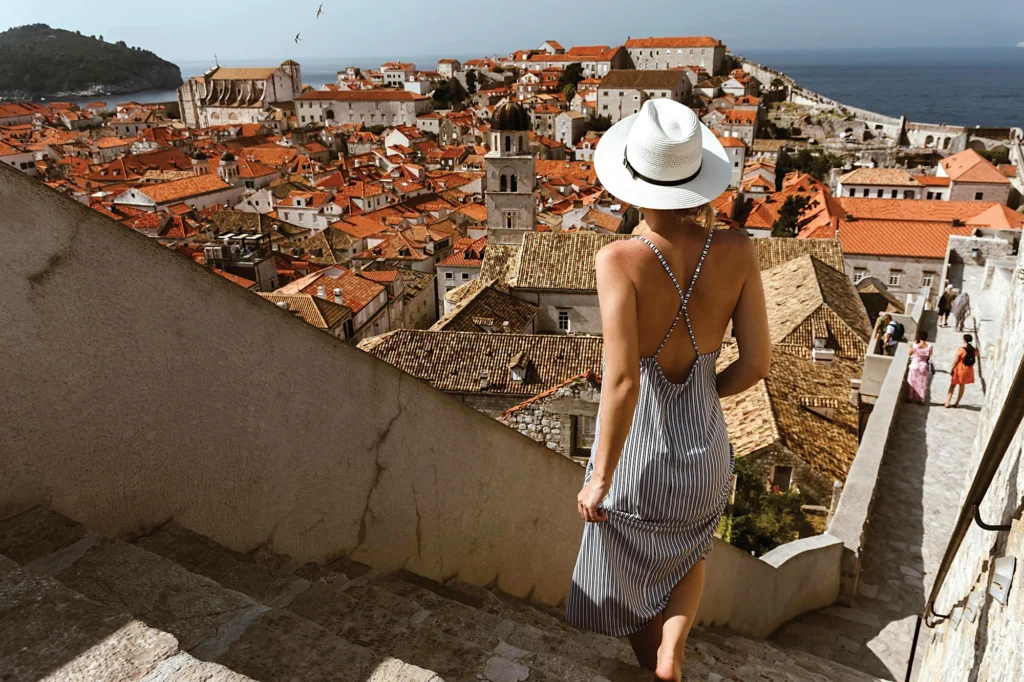
The iconic walls of Dubrovnik are honey-gold in the morning, amber by afternoon, and at dusk, the city exhales into something close to magic, holding residents and visitors in its grip for more than seven centuries. When you arrive at this UNESCO World Heritage Site, walk the walls first, before anything else. The circuit is among the great urban strolls in the world, the views shifting constantly between the terracotta rooftops of the Old Town and the open expanse of the Adriatic below. The walls date to the 13th Century and their survival through everything from the 1667 earthquake to the 1991-92 siege is one of history’s greatest stories of resilience.
Below the walls, the Stradun cuts a gleaming limestone path through the heart of the Old Town, its surface worn smooth by centuries of foot traffic, lined with cafés that fill fast and empty slow.
Accommodation inside the Old Town is limited and books out months ahead in high season. Villa Orsula and Hotel Excelsior sit just outside the Pile Gate with sea views that justify the price. For something more removed, the island of Lopud, which is car-free, unhurried and anchored by a single long beach, offers a quieter base within easy reach and feels like Dubrovnik's antidote to itself. The Pelješac Peninsula is worth the drive for its oyster beds and vineyards alone, producing Plavac Mali wines of refreshingly genuine distinction.
The restaurant scene has sharpened in recent years. Proto, tucked into a side street near the Stradun, has been serving serious seafood since 1886 and shows no sign of slowing. For something more contemporary, 360° delivers both a tasting menu and a panorama vista in equal measure, its terrace built directly into the city walls above the old port. Dalmatian cuisine is defined by restraint and quality of ingredients like oysters from Pelješac, black risotto, and grilled sea bass finished with olive oil from Brač, and the city's best kitchens honor that philosophy without overcomplicating it.
Beyond the walls, the city rewards those with an adventurous spirit. Kayak around the base of the fortifications at sunrise, the stone rising from the water above you. Take the cable car up Mount Srđ for the full panorama, with the Old Town laid out below like a map of itself. Spend an afternoon on Lokrum, the island just offshore, where wild peacocks wander through a botanical garden beside a ruined Benedictine monastery.
However far you roam, Dubrovnik pulls you back. Back through the Pile Gate, back onto the Stradun, back to a seat at some candlelit table where the wine is cold and the walls that have stood for 800 years are glowing gold just beyond the window. That is the city's oldest trick, and it works every time; VisitDubrovnik.hr.
Words Ana Ali | Photo Nadtochiy Photography